Several years ago, it was considered a fun project to talk to an AI. You gave some prompts a go, recommended friends some of the screenshots, and proceeded with what you used regularly. That ceases to be the case in 2025. To most individuals, ChatGPT is accessible all day on a computer or mobile phone. It assists you in responding to emails, composing code, preparing lessons, and even surveying contracts.
Meanwhile, the AI world represented the speed. Google, Anthropic, Microsoft, and dozens of other models continue to appear. The price was altered, the features were altered, and even the method of accessing ChatGPT was altered. Whatever you heard of ChatGPT in 2023 does not suffice to evaluate it in the present day.
And so this review has examined ChatGPT as it currently stands. How strong is the core model? What are the characteristics that help to save time in the day-to-day work? The feel of the desktop and mobile applications. Where it triumphs over other chatbots and where it loses. The goal is simple. In conclusion, it should be clear to you whether ChatGPT can be useful in your work and whether you would pay the plan or not.
What is ChatGPT in 2025?
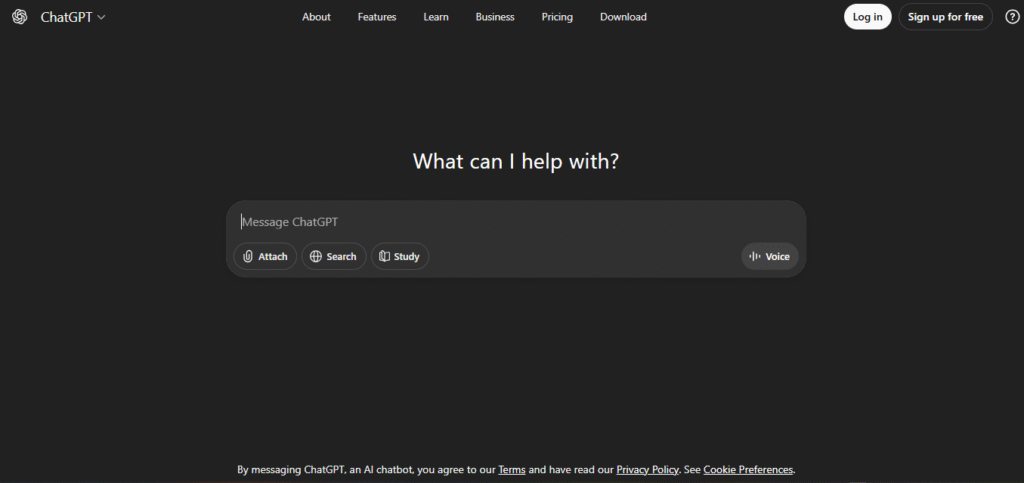
ChatGPT is an artificial intelligence chatbot you can use that was created by OpenAI. You converse with it as in natural language, and it responds in text, voice, or images. It is usable in the web browser, and in Windows and macOS official desktop applications, mobile applications, and within certain third-party applications.
ChatGPT is powered by current GPT models, presupposed by the use. The existing models include many more GPT 4 family models, which are now more adept at coding, reasoning, and instruction following than during the early years of GPT 3. In general, free users typically have access to a capable general model capable of browsing the web, image manipulation, and a great number of common tasks. Premium accounts give access to quicker responses, more advanced models, greater quotas, and team features.
ChatGPT no longer enjoys the status of just a text box. It is an office that has the ability to search the web, analyze files, draw images, store preferences, and hook up to custom tools. You may consider it a combination of research assistant, writing partner, junior developer, brainstorming partner, and light data analyst.
Performance – How well ChatGPT actually works
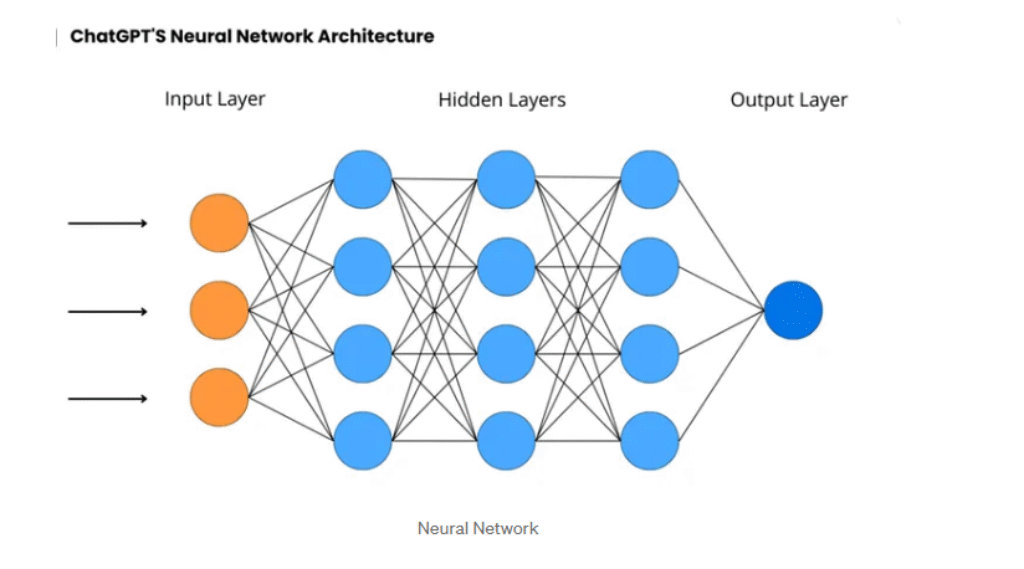
In real use, ChatGPT handles daily tasks, problem-solving, coding, and creative work well when you give clear prompts, but it still needs human checks.
Everyday tasks
ChatGPT can be helpful with the day-to-day tasks, such as email paraphrasing, rounding up articles, and converting a messy set of notes to coherent writing. It can even sort out things on your behalf, like exercises, going on holiday, or minor projects, and remind you of the things that you may not be certain about. You should provide excellent context, and the results will be good. When your prompt is too short or vague then it provides more generic answers.
Reasoning and problem solving
ChatGPT is good at day-to-day work such as email recalls, article summarizations, and transforming scribbles into a clear document. It can even sort out things on your behalf, like exercises, going on holiday, or minor projects, and remind you of the things that you may not be certain about. You should provide excellent context, and the results will be good. When your prompt is too short or vague, it provides more generic answers.
Coding and technical work
ChatGPT is highly effective in assisting with code writing. It has the ability to write functions, debug bugs, and clean up old code. Users tend to write mistakes or short pieces of code and request ChatGPT to generate some ideas and solutions. It is able to scan longer files, identify performance and security problems, as well as propose tests. Nevertheless, it is not a complete substitute for a professional developer. In some cases, the code may seem right but fail in the cases of edges or due to the use of outdated libraries.
Creative work
ChatGPT helps a lot with ideas. It can brainstorm topics, make outlines, hooks, and first drafts for blogs, ads, emails, and scripts. Output gets better when you give a clear style, audience, and examples. Vague prompts give generic content. It can also generate and edit images for thumbnails, social posts, and concepts, but you usually need a few tries and final polishing in a design tool.
Key features and tools inside ChatGPT
These features turn ChatGPT from a simple chat box into a full workspace for search, images, files, and custom apps.
- Web search and real-time answers: Can search the internet while chatting. Mixes live web data with its own knowledge. Useful for news, prices, product comparisons, and fresh info.
- Multimodal (text, images, voice): You can send text, photos, screenshots, and audio. Can read handwriting, whiteboards, and slides, and explain them. Supports voice chat so you can speak and listen instead of typing.
- Image and media generation: Creates images from text prompts. Can change style, colors, angles, and ask for revisions. Good for blog graphics, social posts, ads, and mockups.
- Working with files and data: Accepts PDFs, Word docs, Excel / CSV, and images. Summarizes long files, extracts key points, and answers questions. Can help with formulas, basic analysis, and simple charts.
- ChatGPT apps and custom tools: Has a “store” of specialized GPTs for SEO, coding, research, design, etc. You can build your own custom GPT without coding using your docs and rules. Developers can connect APIs and build full apps on top of the models.
- Desktop and mobile experience: Desktop apps for Windows and macOS with quick access and screen capture. Mobile apps for iOS and Android with sync, voice chat, and images. Extensions and side tools let you use it on any website you visit.
Usability and everyday experience
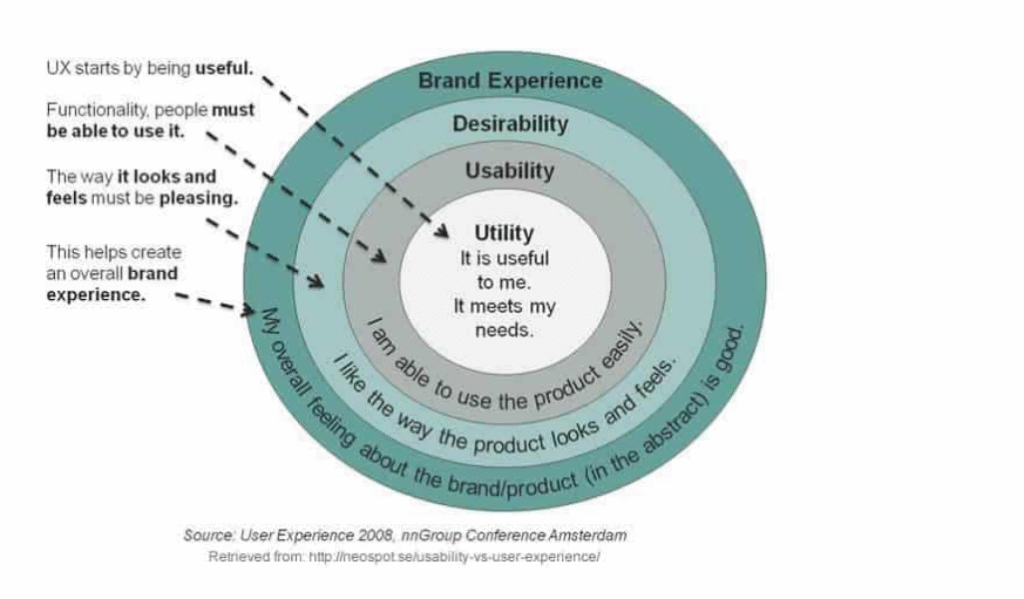
In daily use, ChatGPT looks simple like a normal chat, but the real test is how easy it feels when you depend on it every day.
Interface and learning curve
The interface is user-friendly, resembling a chat window with a message box, previous conversations, and tools. While the interface is easy to grasp, the real challenge lies in formulating effective prompts. Many users submit brief prompts and receive mediocre responses. However, providing more context, specific targets, examples, and constraints significantly enhances the output quality. Clear and straightforward natural language is sufficient for crafting prompts, focusing on the goals instead of complex formulations.
Conversation flow and memory
ChatGPT retains context within conversations, allowing for step-by-step task building. Recent updates include memory features that remember user preferences across chats, helping save time. However, in lengthy sessions, the model may lose older details, so it is advisable to recap key facts or initiate fresh chats for new topics.
Organizing work with ChatGPT
ChatGPT’s interface facilitates organization through features like folders and pinned chats. Users often create individual conversations for clients or projects, storing related materials within these threads to maintain context. Important outputs may be exported to external note-taking or project management tools, as ChatGPT excels in content generation but is not designed to serve as a long-term knowledge repository.
Privacy, safety, and reliability
OpenAI has implemented enhanced controls for data use and privacy, allowing users to opt out of having their chats used for model training, particularly in enterprise plans. Users should exercise caution with sensitive information such as trade secrets and personal health data. The system includes safety measures to prevent harmful requests and issues warnings about potential mistakes, still placing responsibility on the user to verify critical content with professionals. While reliability is generally strong, occasional slowdowns and outages occur, particularly during major updates, with paid plans offering improved stability and limits.
ChatGPT vs other AI chatbots
The AI chatbot space is crowded now. The main public rivals are Google Gemini, Anthropic Claude, Microsoft Copilot, and search-focused tools like Perplexity. Each has its own strengths.
In broad strokes, ChatGPT shines as an all-around assistant inside its own ecosystem. Gemini is deeply tied to Google apps like Gmail and Docs. Claude has a strong reputation for careful, thoughtful answers and long context for big documents. Copilot ties directly into Windows, Office, and GitHub. Perplexity focuses on web search and citations.
Here is a simple comparison table so you can see the positioning at a glance.
| Chatbot | Main strengths | Best for | Key limitation |
| ChatGPT | Strong reasoning and coding, rich tools, custom GPTs, good multimodal support | General productivity, content creation, coding help, and teams that want one central assistant | Some advanced features behind paywalls, occasional hallucinations |
| Google Gemini | Deep integration with Google services, good at search-heavy tasks, strong on multimedia and data from the Google ecosystem | Heavy Google Workspace users, research tasks tied to Gmail, Docs, Sheets, Drive | Works best if you already live in the Google world, the interface can feel busy |
| Anthropic Claude | Very careful, polite tone, strong, long document handling, good at analysis and writing | Knowledge workers who review long reports and need safe, detailed answers | Fewer consumer features, fewer third-party integrations, and access may be limited in some regions |
| Microsoft Copilot | Built into Windows, Edge, and Office, good for code when paired with GitHub, and solid enterprise options | Office and Windows-focused companies, developers on GitHub, users who want AI in Excel and PowerPoint | Often tied to Microsoft accounts and products, the web interface can feel slower |
| Perplexity | Fast web search with citations, good at up-to-date research, and link summaries | Students and researchers who want clear sources, a quick reading of many pages | Less suited for long creative writing or deep coding help |
This table simplifies a messy reality. In practice, you might use more than one tool. Many people use ChatGPT for content and coding, Gemini for Google Docs workflows, and Perplexity for pure research.
Who does ChatGPT fit best?
ChatGPT mostly fits people who work with words, ideas, or daily decisions and want a smart helper to save time and effort.
Students and self-learners
Students utilize ChatGPT for concept explanations, understanding tests, and study session planning. It is effective as a tutor when prompting for simplified content or quizzes, rather than for assignment writing, which may lead to plagiarism and hinder actual learning. By seeking explanations, hints, and feedback on their work, students can enhance their learning efficiency.
Content writers, marketers, and solo creators
ChatGPT serves as a valuable tool for content creators, assisting with brainstorming topics, clustering keywords, drafting outlines, and producing initial drafts across various formats like articles and emails. It is especially beneficial for solo creators, filling roles such as a rough editor or brand voice coach. However, personal input remains essential for the best outcomes, combining AI-generated content with individual stories and expertise.
Developers and technical users
ChatGPT provides daily value to developers by generating boilerplate code, suggesting patterns, and offering quick references for unfamiliar programming languages and frameworks. It assists in debugging by suggesting potential causes and fixes for error messages. Advanced users leverage ChatGPT alongside local tools and version control for refactoring, documentation generation, codebase explanations, and testing strategies. It is also useful for crafting shell commands, SQL queries, and infrastructure scripts. However, users must be cautious not to overtrust the generated code, emphasizing the importance of testing, reviewing security aspects, and maintaining a solid mental model of the system.
Startups, agencies, and in-house teams
ChatGPT serves as a shared assistant for teams, aiding startups in creating pitch decks, landing page copy, investor communications, product specifications, and support responses. Agencies utilize it for drafting proposals and reports. Custom GPTs enhance team collaboration by embedding shared knowledge, allowing for branded assistants that align with style guides and workflows. Larger teams leverage enterprise plans for enhanced security and admin capabilities for tasks such as managing knowledge bases, support triage, report generation, and document review.
Casual users who want help in daily life
Casual users of ChatGPT utilize it for simple tasks such as translating messages, generating recipe ideas from available ingredients, interpreting official letters, and obtaining travel suggestions. They often view it as a combination of a search engine and a helpful assistant, with the free tier typically meeting their needs. The primary benefit for this group is the time and mental energy saved on minor tasks that previously felt bothersome.
Pros and cons at a glance
Here is a quick table of the main upsides and downsides.
| Aspect | Pros | Cons |
| Performance | Strong at reasoning, writing, and coding for most everyday needs | Can still make factual or logical errors |
| Features | Web search, multimodal input, image generation, file analysis, custom GPTs, and apps in one place | Some tools and higher limits require paid plans |
| Usability | Simple interface, fast learning curve, works on web, desktop, and mobile | Free tier is surprisingly capable for light users, paid tiers are cheaper than hiring equivalent help |
| Pricing | Costs add up for heavy use, and team plans may be high for very small groups | Costs add up for heavy use, team plans may be high for very small groups |
| Safety and privacy | Stronger guardrails over time, enterprise options focus on data protection | Still not ideal for highly sensitive data, requires user judgment and review |
FAQs
1. Is ChatGPT free to use in 2025?
Yes, there is still a free version of ChatGPT with a capable model and access to many core features. Free users have lower limits and may not get the fastest models or all advanced tools. Paid plans remove many of these limits and offer extra features for power users and teams.
2. Can ChatGPT replace Google Search?
For some tasks, it can. When you want a clear summary, a step-by-step guide, or tailored advice, ChatGPT often feels better than a list of links. For other tasks, like deep research, niche technical topics, and checking original sources, you still need classic search. Many users combine both.
3. How safe is it to share data with ChatGPT?
ChatGPT has better privacy settings than it used to, and enterprise plans offer stronger guarantees. Still, you should avoid sharing extremely sensitive personal data, confidential business secrets, or anything you are not allowed to upload to cloud tools. When in doubt, anonymize or keep details out.
4. Which ChatGPT plan should I choose?
If you are just exploring or only need help a few times per week, start with the free plan. If you are a student, creator, or professional using it daily, a paid individual plan usually pays for itself in time saved. Teams with many users and strict compliance needs should look at business or enterprise tiers.
5. Will ChatGPT keep improving?
Yes. OpenAI continues to release new models and features on a regular basis. Performance on reasoning, coding, and multimodal tasks has improved with each major update. You can expect more tools, better integrations, and higher quality over time, although it is impossible to predict exact timelines.
Final verdict – Is ChatGPT worth it right now?
In 2025, ChatGPT is a leading AI assistant known for its strong reasoning, coding skills, image generation, and versatile tools, making it accessible on various devices. While it is not a replacement for expert judgment and faces competition from alternatives like Gemini and Claude, it remains a valuable tool for students, knowledge workers, creators, and developers. Users can start with a free tier and consider upgrading to a paid plan if they rely on it heavily. Those handling sensitive data or already integrated with another AI may seek different solutions. Ultimately, when used with clear objectives, ChatGPT is a highly effective method to incorporate AI into everyday tasks.